RV, Boat and Trailer Parking in Buena Vista: What to Know Before Winter
Buena Vista runs on things with wheels and hulls. Rafts come off the Arkansas in September, the boat comes home from Twin Lakes, and the camper that spent the summer at Chalk Creek needs a place to sit until spring. Most driveways in town were not built for that, and many HOAs will not allow it. Here is how the parking spaces at Buena Vista Self Storage work, what fits, and how to put a rig away for a Chaffee County winter so it starts in May.
1. What the spaces are, honestly
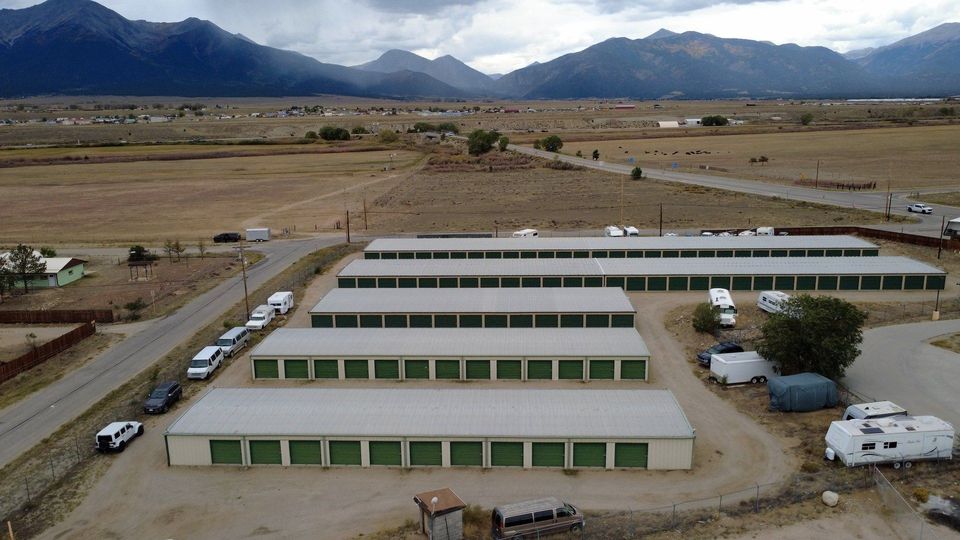
Our parking is open-air, on an unpaved lot, inside the same gated and camera-monitored yard as the storage units. There is no roof over the spaces and no electrical hookup at the space. What you get is a spot that is behind a keypad gate 24 hours a day, five minutes from downtown at the US-24 and US-285 junction in Johnson Village, on a month-to-month rental with no long-term contract.
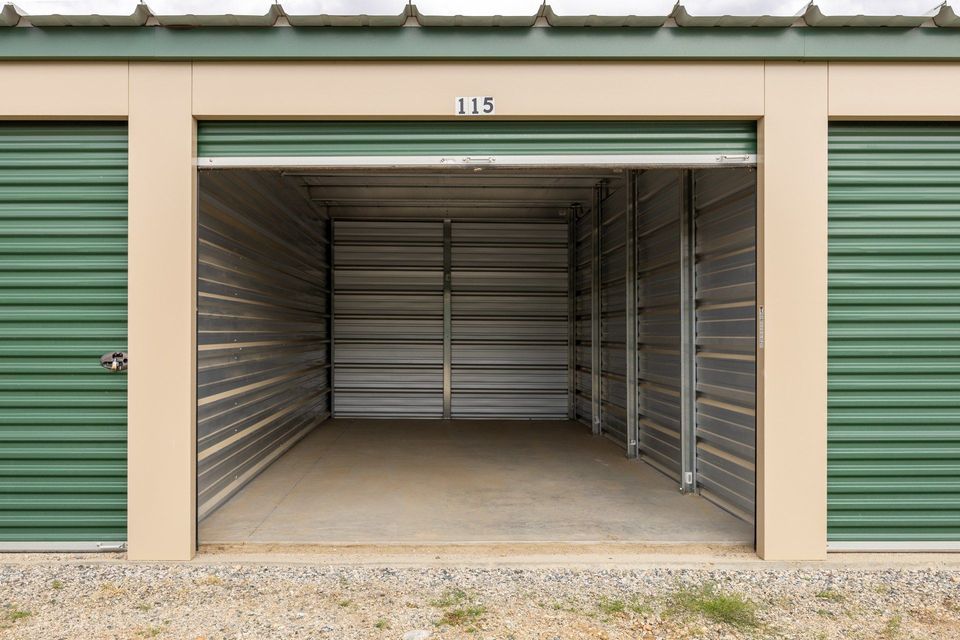
Spaces come in three sizes: 10x20, 12x20 and 12x22. The number that matters is length including the tongue or the trailer hitch. A 22-foot space fits most campers, boats on trailers, utility and work trailers, and smaller travel trailers. If your rig is longer than about 22 feet, text us the length before you book and we will tell you straight whether it fits. Anything you want behind a locked door instead of outside can go in a 10x20 or 10x30 drive-up unit, or our one 15x25 drive-in garage.
2. Winterizing for the Upper Arkansas Valley
Johnson Village sits at about 7,900 feet. Nights drop well below zero in January and the sun is strong enough at midday to cook rubber and vinyl. A rig that is simply parked in October and forgotten will greet you in May with a dead battery, cracked seals and a mouse family. A couple of hours of prep prevents all of it.
- Drain the water system and add RV antifreeze to the traps. Water left in a line here will split it.
- Pull the battery and keep it on a tender at home. There is no power at the space, and a battery that sits discharged through a cold winter rarely comes back.
- Cover it. A breathable cover keeps the UV off the roof and the snow off the seals. Tarps trap moisture, so use a real cover if you can.
- Seal it against mice. Steel wool in the openings, no food left inside, and a few dryer sheets do more than any trap.
- Top off the fuel and add stabilizer, then run the engine long enough to pull treated fuel through the system.
- Note your gate code somewhere you will find it in spring, and check on the rig after the first big storm.
3. Boats and rafts
A boat on a trailer takes the same space as a camper of the same length, so measure from the trailer tongue to the end of the outdrive. Pull the drain plug, tilt the motor down so water runs out, and store the plug in the glove box where you will find it before the first launch. Raft trailers are the easiest thing on the lot: strap the boat, cover it, and it is ready for the next float.
4. Getting in and out
The gate is keypad controlled and open to tenants 24 hours a day. That matters for a 6 a.m. launch or a Sunday night return from the desert. Aisles are gravel and run along every row, and the parking spaces sit inside the same fenced lot as the units, covered by security cameras.
Ready to park it?
Live availability for parking spaces is in the rental list on our home page. Rent online in a few minutes, or text us your rig length at (719) 435-5644 and we will confirm the fit before you book. Full details are on our RV, boat and trailer parking page.